
Introduction
Women’s fashion is much more than clothing. It is a powerful form of self-expression that reflects personality, lifestyle, culture, and confidence. Every outfit tells a story, whether it is a professional office look, a casual weekend outfit, or elegant evening wear. Fashion allows women to showcase their individuality while adapting to changing trends and occasions.
Over the years, women’s fashion has evolved significantly. Modern fashion combines comfort, functionality, and style, giving women countless options to create looks that suit their personal preferences. From classic wardrobe staples to the latest seasonal trends, understanding fashion can help anyone make smarter style decisions.
For beginners, the world of fashion may seem overwhelming because of the endless choices available. However, learning a few essential principles can make dressing stylishly much easier. Intermediate fashion enthusiasts can also benefit from refining their wardrobe and exploring new styling techniques.
What is Women’s Fashion?
Women’s fashion refers to the styles, trends, clothing choices, accessories, footwear, and beauty elements that women use to express themselves through appearance. It includes everything from everyday casual wear to formal attire and luxury fashion.
Fashion is influenced by several factors, including:
- Cultural traditions
- Seasonal trends
- Lifestyle needs
- Personal preferences
- Social influences
- Professional requirements
Women’s fashion encompasses various categories such as:
- Casual wear
- Business attire
- Formal wear
- Activewear
- Street style
- Luxury fashion
- Sustainable fashion
The beauty of women’s fashion lies in its flexibility. There is no single definition of style because every woman can create a unique fashion identity that reflects her personality and goals.
Why is Women’s Fashion Important?
Fashion plays a significant role in everyday life beyond appearance.
Builds Confidence
When women feel comfortable and attractive in their clothing, they often experience greater confidence. A well-chosen outfit can positively influence mood and self-esteem.
Creates First Impressions
People often form opinions within seconds of meeting someone. Fashion helps communicate professionalism, creativity, and personal values.
Supports Self-Expression
Fashion allows individuals to express emotions, interests, and identity without speaking a word.
Enhances Professional Presence
Appropriate workplace attire can improve credibility and help create a positive impression in professional environments.
Encourages Creativity
Mixing colors, patterns, textures, and accessories allows women to explore creativity and develop a personal style.
Adapts to Different Occasions
Fashion helps women dress appropriately for work, social gatherings, formal events, travel, and everyday activities.
Detailed Step-by-Step Guide
Step 1: Understand Your Personal Style
Before following trends, identify your personal style preferences.
Ask yourself:
- Do you prefer classic or trendy outfits?
- Are you more comfortable in neutral colors or bold shades?
- Do you like minimalist or statement pieces?
Common style categories include:
- Classic
- Casual
- Elegant
- Bohemian
- Streetwear
- Chic
- Romantic
Understanding your preferences creates a strong foundation for your wardrobe.
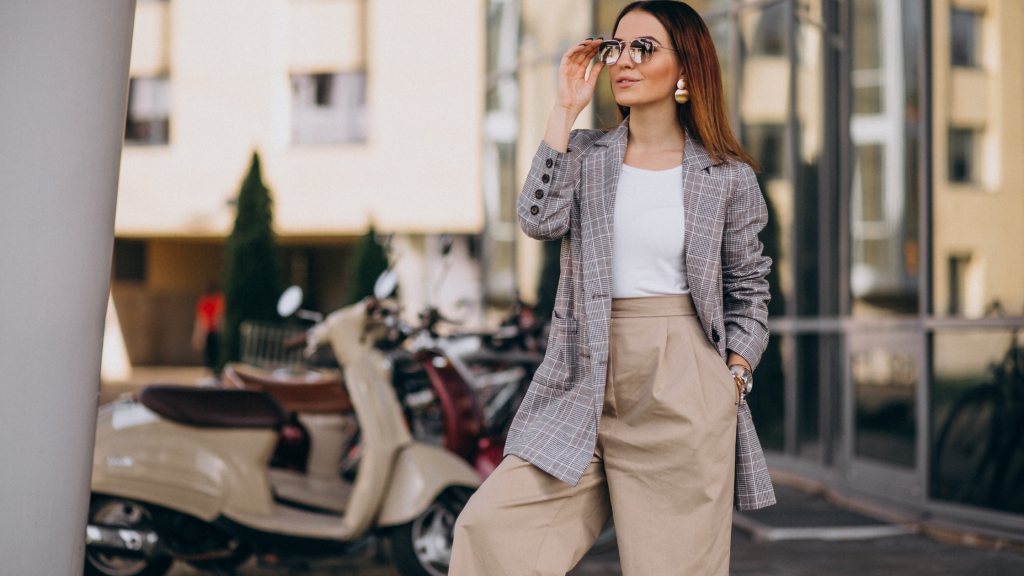
Step 2: Build a Wardrobe Foundation
Every stylish wardrobe starts with essential pieces.
Important basics include:
- White shirt
- Black trousers
- Dark jeans
- Blazer
- Neutral t-shirts
- Comfortable sneakers
- Classic handbag
- Little black dress
These timeless pieces can be mixed and matched for numerous outfit combinations.
Step 3: Know Your Body Shape
Understanding body shape helps in selecting flattering clothing.
Common body shapes include:
- Pear
- Apple
- Hourglass
- Rectangle
- Inverted triangle
For example, women with an hourglass shape often benefit from fitted clothing that highlights natural curves, while rectangle body shapes may create more definition through structured garments.
Step 4: Choose the Right Colors
Color selection greatly influences overall appearance.
Popular neutral colors include:
- Black
- White
- Beige
- Gray
- Navy
Popular statement colors include:
- Red
- Emerald green
- Royal blue
- Mustard yellow
- Burgundy
Learning which colors complement your skin tone can improve your overall look.
Step 5: Focus on Fit
Even expensive clothing can look unappealing if it does not fit properly.
Key fit considerations include:
- Proper shoulder alignment
- Comfortable waist fit
- Correct sleeve length
- Appropriate garment length
Tailoring can transform average clothing into polished pieces.
Step 6: Invest in Quality Essentials
Quality garments typically last longer and maintain their appearance.
Focus investments on:
- Coats
- Blazers
- Shoes
- Handbags
- Denim
- Workwear
Higher-quality basics often provide better value over time.
Step 7: Add Accessories Thoughtfully
Accessories complete an outfit.
Popular accessories include:
- Watches
- Scarves
- Jewelry
- Sunglasses
- Belts
- Handbags
Avoid overwhelming your look with too many statement pieces at once.
Step 8: Stay Updated with Trends
Fashion trends can provide inspiration.
However, not every trend suits every person. Select trends that align with your style and lifestyle.
Examples of popular fashion trends often include:
- Wide-leg trousers
- Monochromatic outfits
- Sustainable fabrics
- Oversized blazers
- Minimalist designs
Step 9: Dress for the Occasion
Different situations require different clothing choices.
Examples include:
- Business meetings: Professional attire
- Weddings: Elegant dresses
- Casual outings: Relaxed outfits
- Formal events: Sophisticated evening wear
Appropriate dressing demonstrates respect and awareness.
Step 10: Practice Confidence
Confidence remains one of the most important fashion elements.
A simple outfit worn confidently often looks more stylish than an expensive outfit worn with uncertainty.
Benefits of Women’s Fashion
Women’s fashion offers numerous advantages.
- Enhances self-confidence
- Supports personal expression
- Creates positive first impressions
- Encourages creativity
- Improves professional image
- Allows adaptation to various occasions
- Helps develop personal identity
- Promotes self-care
- Increases wardrobe versatility
- Makes social interactions more comfortable
- Provides opportunities to explore trends
- Supports cultural appreciation
- Encourages organization and planning
- Improves overall appearance
- Helps individuals feel empowered
Disadvantages / Risks
Although fashion provides many benefits, certain challenges may arise.
- Following trends can become expensive
- Fast fashion may encourage excessive spending
- Social pressure can influence purchasing decisions
- Trend-focused wardrobes may become outdated quickly
- Poor-quality clothing may wear out rapidly
- Fashion comparison can negatively affect confidence
- Impulse shopping can lead to clutter
- Excessive focus on appearance may create stress
- Luxury fashion can strain budgets
- Constant trend changes may cause confusion
Recognizing these risks helps create a balanced approach to fashion.
Common Mistakes to Avoid
Many people unknowingly make fashion mistakes that affect their overall appearance.
Ignoring Fit
Poorly fitting clothing can diminish the impact of even the most stylish outfit.
Buying Trends Without Purpose
Purchasing every trend often results in a cluttered wardrobe filled with items that are rarely worn.
Overlooking Basics
Fashionable statement pieces are valuable, but wardrobe basics remain essential.
Wearing Uncomfortable Clothing
Style should not come at the expense of comfort.
Choosing Quantity Over Quality
A few high-quality pieces usually provide greater value than many low-quality garments.
Neglecting Accessories
Accessories help elevate simple outfits and add personality.
Copying Others Completely
Fashion inspiration is useful, but personal style should remain unique.
Ignoring Seasonal Needs
A practical wardrobe should include clothing suitable for changing weather conditions.
Forgetting Occasion Requirements
Wearing inappropriate attire for events can create discomfort and leave a negative impression.
Lack of Wardrobe Organization
Disorganized closets often lead to poor outfit choices and unnecessary purchases.
FAQs
1. How can beginners improve their fashion sense?
Beginners can start by identifying their style preferences, investing in wardrobe basics, understanding body shape, and learning simple outfit combinations. Building a foundation before experimenting with trends is often the best approach.
2. How many clothing items should a wardrobe contain?
There is no perfect number. The ideal wardrobe depends on lifestyle, climate, profession, and personal preferences. Focus on versatility rather than quantity.
3. Is expensive clothing always better?
Not necessarily. Quality matters more than price. Many affordable brands offer well-made clothing that looks stylish and lasts for years.
4. How can I stay fashionable on a budget?
Create a shopping plan, prioritize essentials, wait for sales, choose versatile pieces, and avoid impulse purchases. Smart shopping can produce a stylish wardrobe without overspending.
5. How often should I update my wardrobe?
Review your wardrobe seasonally. Replace worn-out items and add new pieces when necessary. Avoid replacing everything simply because trends change.
6. What colors work best for most women?
Neutral colors such as black, white, navy, gray, and beige are highly versatile. They can easily be combined with brighter accent colors.
7. How important are accessories in women’s fashion?
Accessories play a major role in enhancing outfits. Even simple clothing can appear more polished with the right jewelry, belt, scarf, or handbag.
8. Can fashion improve confidence?
Yes. Wearing clothing that fits well and reflects personal style often helps individuals feel more comfortable, attractive, and self-assured.
Expert Tips & Bonus Points
Fashion professionals often rely on practical strategies that anyone can use.
Create a Capsule Wardrobe
A capsule wardrobe contains versatile pieces that work together seamlessly. This simplifies outfit planning and reduces unnecessary purchases.
Use the Three-Color Rule
Limit outfits to three primary colors for a balanced and sophisticated appearance.
Prioritize Fabric Quality
Natural fabrics such as cotton, wool, linen, and silk often provide better comfort and durability.
Photograph Outfits
Taking photos of successful outfits helps create a personal style reference library.
Keep Shoes Clean
Well-maintained footwear can significantly improve overall appearance.
Invest in Tailoring
Simple alterations can dramatically improve how clothing fits and looks.
Balance Proportions
Pair fitted pieces with looser garments for a visually balanced silhouette.
Develop a Signature Style
Many stylish women become recognizable through consistent style elements such as color palettes, accessories, or silhouettes.
Shop with a Plan
Before shopping, identify wardrobe gaps to avoid unnecessary spending.
Confidence is the Final Accessory
No trend, brand, or designer label can replace genuine confidence. Feeling comfortable in your choices remains the most important aspect of personal style.
Conclusion
Women’s fashion is a dynamic and empowering form of self-expression that combines creativity, confidence, and practicality. While trends may change over time, the core principles of good style remain consistent. Understanding personal preferences, choosing well-fitting clothing, investing in quality essentials, and dressing appropriately for different occasions can help create a wardrobe that is both fashionable and functional.
Fashion should never feel overwhelming or restrictive. Instead, it should serve as a tool that helps women express their individuality and feel confident in everyday life. By focusing on timeless wardrobe foundations and selectively incorporating trends, anyone can develop a personal style that feels authentic and sustainable.
Whether you are a beginner building your first versatile wardrobe or someone looking to refine your existing fashion choices, the key is to approach fashion thoughtfully. Prioritize quality, comfort, and confidence while staying open to new ideas and inspiration. Over time, small improvements can lead to significant changes in how you present yourself and how you feel.