
Introduction
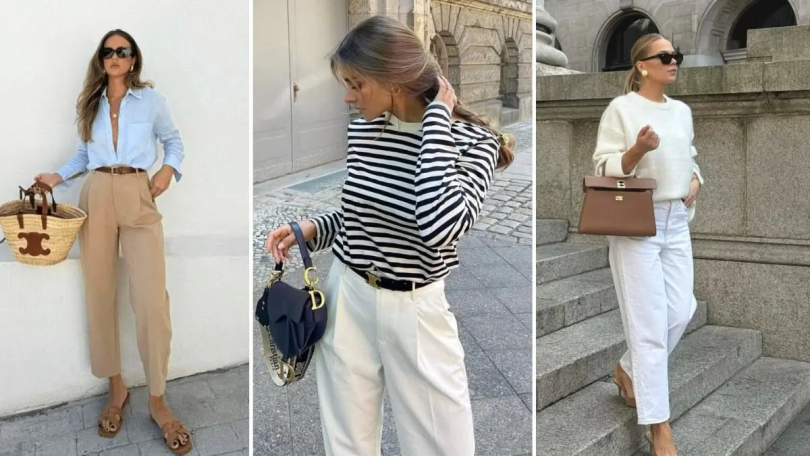
Fashion is more than simply wearing clothes. It is a way to express personality, confidence, and lifestyle. One of the most important aspects of modern styling is seasonal fashion. As weather conditions change throughout the year, clothing choices also evolve to provide comfort, functionality, and style.
Seasonal fashion refers to selecting outfits, fabrics, colors, and accessories that match a specific season. Whether it is lightweight clothing for summer or cozy layers for winter, dressing according to the season helps people feel comfortable while staying fashionable.
Many people struggle to update their wardrobes when seasons change. They often buy trendy pieces without considering practicality or long-term value. Understanding seasonal fashion can help individuals make smarter shopping decisions and create versatile outfits that work throughout the year.
What is Seasonal Fashion?
Seasonal fashion is the practice of adapting clothing, footwear, accessories, and styling choices according to weather conditions and seasonal trends.
Different seasons require different types of fabrics, colors, and outfit combinations. For example:
- Spring focuses on light layers and fresh colors.
- Summer emphasizes breathable fabrics and comfort.
- Autumn introduces warmer tones and layering.
- Winter prioritizes warmth with heavier materials.
Seasonal fashion combines functionality and aesthetics. It helps individuals stay comfortable while maintaining a stylish appearance throughout the year.
Fashion brands and designers typically release collections based on seasonal demand. These collections often reflect current trends while incorporating practical elements suited to specific weather conditions.
Why is Seasonal Fashion Important?
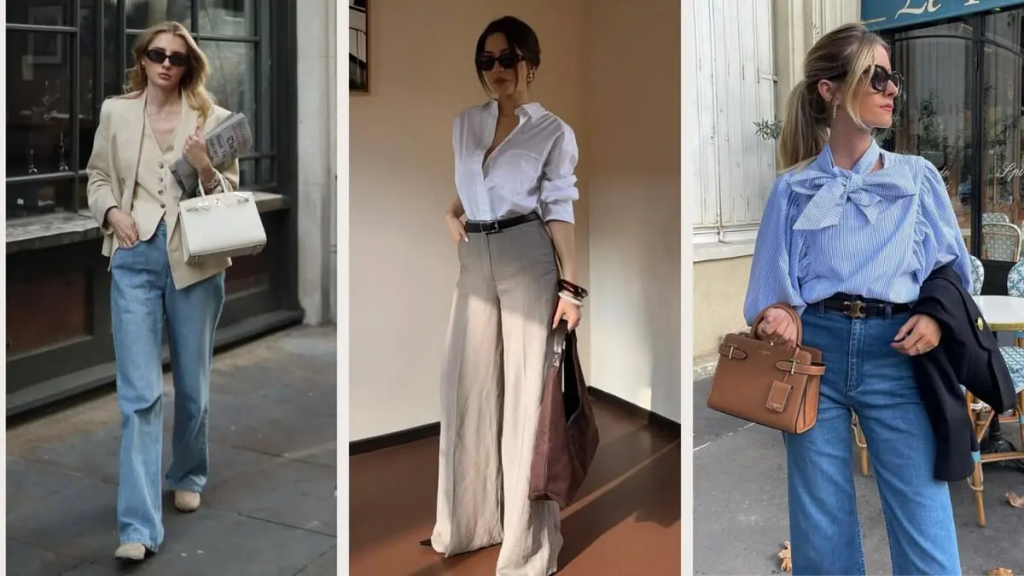
Seasonal fashion plays an important role in daily life because it directly affects comfort, confidence, and appearance.
First, wearing season-appropriate clothing helps regulate body temperature. Lightweight fabrics keep the body cool in summer, while insulated layers provide warmth during winter.
Second, seasonal fashion enhances personal style. Different seasons offer opportunities to experiment with colors, textures, and accessories.
Third, dressing appropriately for the weather can improve confidence. People generally feel more comfortable and presentable when their clothing suits the environment.
Additionally, seasonal fashion supports smarter wardrobe planning. Instead of making impulsive purchases, individuals can invest in versatile pieces that work well during specific times of the year.
Detailed Step-by-Step Guide
Step 1: Understand Seasonal Characteristics
Each season has unique weather conditions that influence clothing choices.
Spring often features mild temperatures and occasional rain. Lightweight jackets, cardigans, and floral prints are common.
Summer requires breathable materials such as cotton and linen. Light colors and relaxed silhouettes help maintain comfort.
Autumn introduces cooler temperatures, making layering essential. Earth tones become popular during this season.
Winter demands warm fabrics like wool and fleece. Coats, scarves, and boots become wardrobe essentials.
Step 2: Build a Seasonal Wardrobe Foundation
Creating a functional wardrobe starts with essentials.
For spring:
- Lightweight jackets
- Long-sleeve shirts
- Comfortable sneakers
For summer:
- Cotton T-shirts
- Shorts
- Sandals
For autumn:
- Sweaters
- Denim jackets
- Ankle boots
For winter:
- Wool coats
- Thermal wear
- Gloves and scarves
Having these basics ensures flexibility when creating outfits.
Step 3: Choose Appropriate Fabrics
Fabric selection significantly impacts comfort.
Popular spring fabrics include:
- Cotton
- Chambray
- Lightweight knitwear
Popular summer fabrics include:
- Linen
- Cotton
- Rayon
Popular autumn fabrics include:
- Corduroy
- Denim
- Wool blends
Popular winter fabrics include:
- Wool
- Cashmere
- Fleece
Selecting the right materials improves both comfort and durability.
Step 4: Focus on Seasonal Colors
Color palettes often change with the seasons.
Spring colors:
- Pastel pink
- Sky blue
- Lavender
- Mint green
Summer colors:
- White
- Yellow
- Coral
- Aqua
Autumn colors:
- Brown
- Rust
- Olive green
- Mustard
Winter colors:
- Black
- Burgundy
- Navy
- Emerald
Using seasonal colors creates a cohesive and stylish appearance.
Step 5: Master Layering Techniques
Layering is one of the most valuable fashion skills.
A simple layering strategy includes:
- Base layer for comfort.
- Middle layer for insulation.
- Outer layer for protection.
For example, during autumn, a T-shirt can be paired with a sweater and a lightweight jacket. This approach provides flexibility as temperatures change throughout the day.
Step 6: Incorporate Seasonal Accessories
Accessories enhance outfits and improve functionality.
Spring accessories:
- Lightweight scarves
- Sunglasses
Summer accessories:
- Straw hats
- Tote bags
Autumn accessories:
- Leather belts
- Structured handbags
Winter accessories:
- Knit hats
- Gloves
- Wool scarves
The right accessories can transform even the simplest outfit.
Step 7: Stay Updated Without Following Every Trend
Fashion trends change frequently. However, not every trend suits every individual.
Focus on:
- Personal style
- Body shape
- Lifestyle needs
- Budget considerations
Incorporate trends selectively rather than replacing an entire wardrobe each season.
Benefits of Seasonal Fashion
Seasonal fashion offers numerous advantages:
- Improves overall comfort during changing weather conditions.
- Enhances personal style and appearance.
- Encourages organized wardrobe management.
- Supports smarter shopping decisions.
- Helps individuals stay current with fashion trends.
- Increases confidence in social and professional settings.
- Reduces outfit selection stress.
- Promotes better clothing longevity through proper seasonal use.
- Allows creative outfit experimentation.
- Creates a polished and well-coordinated look.
Disadvantages / Risks
While seasonal fashion has many benefits, there are also some challenges:
- Seasonal wardrobe updates can become expensive.
- Trend-focused shopping may lead to unnecessary spending.
- Limited storage space can create organization issues.
- Fast-changing trends may encourage wasteful consumption.
- Some seasonal pieces have limited year-round usability.
- Overbuying can result in wardrobe clutter.
- Poor-quality items may wear out quickly.
Being mindful of purchases helps reduce these risks.
Common Mistakes to Avoid
One common mistake is prioritizing trends over comfort. Stylish clothing should still be practical for the weather.
Another mistake is ignoring fabric quality. Cheap materials may look attractive initially but often fail to provide durability and comfort.
Many people also buy excessive seasonal items that they rarely wear. Instead, focus on versatile pieces that can be mixed and matched.
Poor layering choices can create bulky and uncomfortable outfits. Learning proper layering techniques improves both comfort and appearance.
Neglecting accessories is another frequent error. Accessories add personality and functionality to seasonal outfits.
Finally, failing to plan purchases can lead to impulse buying. Creating a seasonal wardrobe strategy helps avoid unnecessary expenses.
FAQs
What is the main purpose of seasonal fashion?
The main purpose of seasonal fashion is to ensure clothing matches weather conditions while maintaining style, comfort, and functionality.
How often should I update my seasonal wardrobe?
Most people only need minor updates each season. Investing in quality essentials reduces the need for frequent replacements.
Is seasonal fashion expensive?
Seasonal fashion can be affordable when purchases are planned carefully. Buying versatile pieces and focusing on quality often saves money over time.
Which fabrics are best for summer?
Cotton, linen, and rayon are among the best summer fabrics because they are lightweight and breathable.
Can I follow seasonal fashion without following trends?
Yes. Seasonal fashion focuses on weather-appropriate clothing. Trends are optional and can be incorporated selectively.
How do I create a versatile seasonal wardrobe?
Start with essential basics, choose neutral colors, invest in quality outerwear, and select pieces that can be mixed and matched easily.
Why is layering important in seasonal fashion?
Layering allows individuals to adjust clothing according to temperature changes while adding depth and style to outfits.
What colors are suitable for winter fashion?
Popular winter colors include black, navy, burgundy, charcoal gray, and emerald green because they complement the season’s atmosphere.
Expert Tips & Bonus Points
Invest in timeless wardrobe staples before purchasing trendy items. Quality basics provide a strong foundation for every season.
Choose neutral-colored outerwear. Neutral tones pair easily with different outfits and remain stylish for years.
Create a capsule wardrobe for each season. This approach reduces clutter while maximizing outfit combinations.
Pay attention to garment care instructions. Proper maintenance extends clothing lifespan and preserves appearance.
Shop at the end of a season when many retailers offer discounts on seasonal items.
Keep comfort as a priority. The most fashionable outfit loses value if it feels uncomfortable.
Experiment with textures. Combining materials such as denim, wool, cotton, and leather can create visually interesting outfits.
Use accessories strategically. Small details often have a significant impact on overall style.
Take inspiration from trends but adapt them to your personality. Authentic style always looks better than blindly following fashion movements.
Review your wardrobe regularly. Donate or recycle items that no longer fit your needs.
Conclusion
Seasonal fashion is an essential part of building a practical and stylish wardrobe. It goes beyond simply following trends and focuses on creating outfits that align with weather conditions, personal preferences, and lifestyle needs. By understanding the unique characteristics of each season, individuals can make smarter choices about fabrics, colors, layering techniques, and accessories.
One of the greatest advantages of seasonal fashion is its ability to combine comfort and style. Whether dressing for a warm summer day or a cold winter evening, appropriate clothing enhances confidence and supports everyday activities. At the same time, thoughtful wardrobe planning can help reduce unnecessary spending and improve clothing longevity.
Successful seasonal fashion does not require a complete wardrobe overhaul every few months. Instead, it involves investing in versatile essentials, maintaining quality pieces, and incorporating trends selectively. This balanced approach ensures both practicality and style throughout the year.