
Introduction
Looking stylish does not require a huge budget, a closet full of designer clothing, or expert fashion knowledge. In reality, good style comes from understanding what works for your body, personality, and lifestyle. Many people believe fashion is complicated, but with the right styling tips, anyone can create attractive and confident looks every day.
Style is a powerful form of self-expression. The clothes you wear can influence how others perceive you and how you feel about yourself. Whether you are heading to work, attending a social event, or simply running errands, dressing well can improve confidence and leave a positive impression.
For beginners, fashion can seem overwhelming because there are countless trends, colors, fabrics, and outfit combinations to consider. However, learning a few essential styling tips can make the process much easier. Once you understand the basics, building outfits becomes enjoyable rather than stressful.
What is Styling Tips?
Styling tips are practical recommendations that help individuals improve their appearance through clothing, accessories, grooming, and outfit coordination. These tips provide guidance on how to choose garments that fit well, match colors effectively, and create balanced looks for different occasions.
Fashion trends may change frequently, but styling tips focus on timeless principles that remain useful regardless of current trends. They help people make smarter wardrobe choices and avoid common fashion mistakes.
Examples of styling tips include:
- Wearing clothes that fit properly.
- Choosing colors that complement your skin tone.
- Balancing proportions in an outfit.
- Investing in wardrobe basics.
- Using accessories thoughtfully.
- Dressing appropriately for the occasion.
Good styling is not about wearing expensive clothes. Instead, it is about presenting yourself in a neat, coordinated, and confident way. Anyone can improve their appearance by understanding and applying fundamental styling principles.
Why is Styling Tips Important?
Personal style affects many aspects of daily life. From professional environments to social gatherings, the way you dress influences first impressions and self-confidence.
Here are several reasons why styling tips are important:
Improves Confidence
When you feel good about your appearance, your confidence naturally increases. Well-chosen outfits can help you feel more comfortable and self-assured.
Creates Positive First Impressions
People often form opinions within seconds of meeting someone. A polished appearance can help create a strong and favorable first impression.
Saves Time
Understanding styling principles makes outfit selection faster and easier. You spend less time wondering what to wear.
Maximizes Your Wardrobe
Effective styling helps you create multiple outfits from the same pieces, reducing unnecessary purchases.
Supports Personal Branding
Your style communicates your personality and values. Consistent styling helps create a recognizable and authentic image.
Enhances Professional Presence
Appropriate and well-styled clothing can improve credibility and professionalism in the workplace.
Detailed Step-by-Step Guide
Step 1: Understand Your Body Shape
Knowing your body shape helps you choose clothing that highlights your strengths and creates balanced proportions.
Common body shapes include:
- Rectangle
- Pear
- Apple
- Hourglass
- Inverted Triangle
For example, individuals with a pear-shaped body may benefit from drawing attention to the upper body through interesting necklines or accessories.
Step 2: Build a Strong Wardrobe Foundation
A stylish wardrobe starts with versatile basics that can be mixed and matched easily.
Essential pieces include:
- White shirt
- Black trousers
- Dark jeans
- Neutral blazer
- Plain t-shirts
- Comfortable shoes
- Classic jacket
These items serve as the foundation for countless outfit combinations.
Step 3: Focus on Proper Fit
Fit is one of the most important styling tips. Even expensive clothing can look unflattering if it does not fit correctly.
Check for:
- Comfortable movement
- Proper shoulder alignment
- Correct sleeve length
- Appropriate pant length
- Balanced silhouette
Tailoring can significantly improve the appearance of many garments.
Step 4: Learn Color Coordination
Understanding color combinations can elevate your outfits instantly.
Popular color approaches include:
- Monochromatic outfits
- Complementary colors
- Neutral color combinations
- Analogous color schemes
Neutral shades such as black, white, gray, navy, and beige are easy to pair with other colors.
Step 5: Layer Clothing Effectively
Layering adds depth and sophistication to an outfit.
Examples include:
- T-shirt with denim jacket
- Shirt with blazer
- Sweater over button-down shirt
- Coat over knitwear
The key is maintaining balance and avoiding excessive bulk.
Step 6: Choose Quality Over Quantity
Rather than purchasing many low-quality items, invest in fewer pieces that offer better durability and appearance.
Quality clothing often provides:
- Better fit
- Longer lifespan
- Improved comfort
- More polished appearance
This approach saves money over time.
Step 7: Accessorize Thoughtfully
Accessories complete an outfit and add personality.
Common accessories include:
- Watches
- Belts
- Scarves
- Jewelry
- Sunglasses
- Bags
Avoid over-accessorizing. One or two carefully selected pieces are usually enough.
Step 8: Pay Attention to Footwear
Shoes can significantly influence the overall impression of an outfit.
Popular versatile options include:
- White sneakers
- Loafers
- Boots
- Dress shoes
- Casual flats
Keep footwear clean and well-maintained.
Step 9: Dress for the Occasion
One of the most valuable styling tips is understanding the context of your outfit.
Consider:
- Formal events
- Business meetings
- Casual gatherings
- Outdoor activities
- Special celebrations
Appropriate clothing demonstrates awareness and respect.
Step 10: Develop Your Personal Style
Fashion trends come and go, but personal style remains unique.
To discover your style:
- Identify favorite outfits.
- Notice recurring colors.
- Observe preferred silhouettes.
- Create inspiration boards.
- Experiment gradually.
Personal style should reflect your personality and lifestyle.
Benefits of Styling Tips
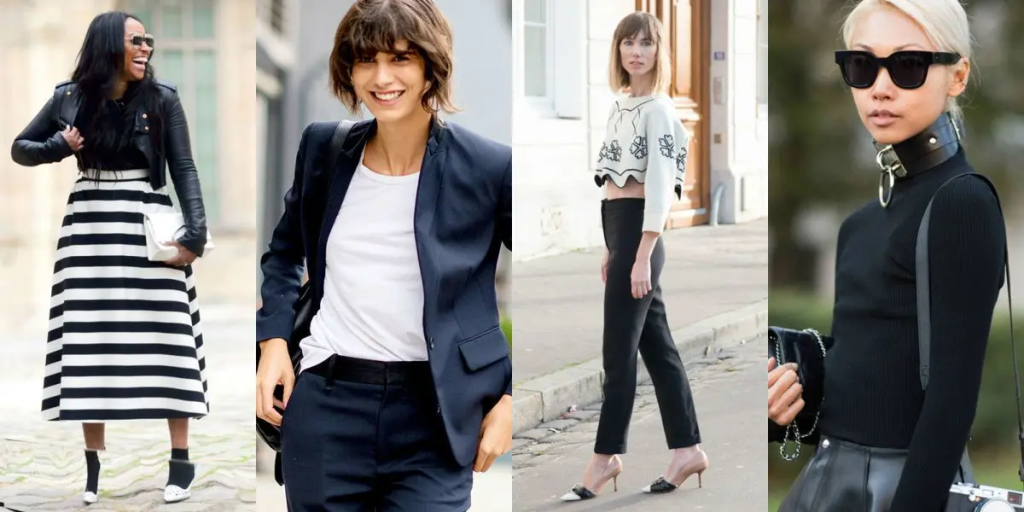
Applying effective styling tips offers numerous advantages:
- Enhances self-confidence.
- Creates a polished appearance.
- Improves first impressions.
- Helps maximize wardrobe usage.
- Reduces unnecessary spending.
- Encourages smarter shopping decisions.
- Makes outfit planning easier.
- Supports professional success.
- Improves personal branding.
- Increases comfort in daily wear.
- Helps express individuality.
- Creates a more organized wardrobe.
- Encourages mindful fashion choices.
- Promotes versatility in clothing combinations.
- Makes dressing enjoyable and less stressful.
Disadvantages / Risks
While styling is beneficial, there are some potential challenges:
- Following trends excessively can become expensive.
- Fashion pressure may lead to unnecessary purchases.
- Poor styling advice can create unbalanced outfits.
- Over-accessorizing can make outfits look cluttered.
- Constant wardrobe updates may increase spending.
- Trend-focused shopping can result in unused clothing.
- Comparing personal style to others may reduce confidence.
- Ignoring comfort for appearance can create discomfort.
Understanding these risks helps maintain a healthy and practical approach to fashion.
Common Mistakes to Avoid
Many people unknowingly make styling errors that affect their overall appearance.
Wearing the Wrong Size
Clothing that is too tight or too loose often looks less flattering than properly fitted garments.
Ignoring Grooming
Even the best outfit can lose impact if grooming is neglected. Clean hair, neat nails, and proper hygiene are essential.
Following Every Trend
Not every trend suits every person. Focus on styles that complement your body type and personality.
Overusing Accessories
Too many accessories can distract from the overall outfit.
Neglecting Footwear
Worn-out or dirty shoes can diminish an otherwise stylish look.
Choosing Fashion Over Comfort
Comfort contributes significantly to confidence. Uncomfortable clothing often affects posture and behavior.
Buying Without a Plan
Impulse purchases frequently lead to cluttered wardrobes filled with items that rarely get worn.
Ignoring Color Balance
Using too many competing colors can create visual confusion.
Not Dressing for the Occasion
Appropriate attire demonstrates awareness and good judgment.
Skipping Wardrobe Maintenance
Wrinkled, stained, or damaged clothing can negatively impact your appearance.
FAQs
What are the most important styling tips for beginners?
Beginners should focus on proper fit, neutral colors, quality basics, clean footwear, and simple accessories. These fundamentals create a strong foundation for personal style.
How can I look stylish on a budget?
Build a wardrobe around versatile essentials, shop strategically during sales, and prioritize quality over quantity. Mixing and matching basics can create numerous outfit combinations.
How do I find my personal style?
Start by identifying outfits you enjoy wearing. Pay attention to preferred colors, cuts, and fabrics. Over time, patterns will emerge that define your personal style.
Are expensive clothes necessary to look fashionable?
No. Fit, coordination, grooming, and confidence often matter more than price. Well-fitted affordable clothing can look just as stylish as expensive garments.
How many accessories should I wear?
In most situations, one to three accessories are enough. The goal is to complement the outfit rather than overwhelm it.
Why is clothing fit so important?
Fit affects the overall appearance of an outfit more than almost any other factor. Properly fitted clothing creates balance, comfort, and a polished look.
What colors should beginners start with?
Neutral colors such as black, white, gray, navy, and beige are excellent starting points because they are versatile and easy to combine.
How often should I update my wardrobe?
Review your wardrobe seasonally. Replace worn items and add pieces only when they genuinely enhance your existing collection.
Expert Tips & Bonus Points
Fashion experts often rely on simple principles that consistently produce stylish results.
Create a Signature Element
Consider incorporating a distinctive feature into your style, such as a preferred color, accessory, or clothing type.
Use the Rule of Balance
If one piece is loose, pair it with something more fitted. Balanced proportions generally create a more polished appearance.
Invest in Tailoring
Minor alterations can dramatically improve how clothing looks and feels.
Prioritize Fabric Quality
Good fabrics often drape better, feel more comfortable, and last longer.
Organize Your Wardrobe
A well-organized closet makes it easier to see available options and create outfits efficiently.
Photograph Your Favorite Outfits
Keeping photos of successful outfit combinations can save time when getting dressed.
Maintain Clothing Properly
Follow care instructions to preserve the appearance and lifespan of garments.
Build Around Versatility
Before purchasing an item, consider whether it can be paired with multiple pieces already in your wardrobe.
Focus on Confidence
Confidence remains one of the most powerful style elements. Even simple outfits can look exceptional when worn with assurance.
Practice Consistency
Great style develops gradually. Consistent application of styling tips produces long-term improvements.
Conclusion
Developing great personal style is not about copying celebrities, buying expensive designer clothing, or chasing every new trend. Instead, it is about understanding the fundamental principles that help you look and feel your best. By applying practical styling tips, anyone can create outfits that are attractive, comfortable, and suitable for a variety of situations.
The journey toward better style begins with simple steps. Understanding your body shape, choosing properly fitted clothing, building a wardrobe of versatile basics, and learning effective color coordination can dramatically improve your appearance. Small details such as clean footwear, thoughtful accessories, and proper grooming also contribute significantly to a polished look.
One of the greatest advantages of following styling tips is the confidence they provide. When you feel comfortable and well-dressed, you naturally present yourself more positively in both personal and professional settings. This confidence often influences how others perceive you and how you approach opportunities in daily life.