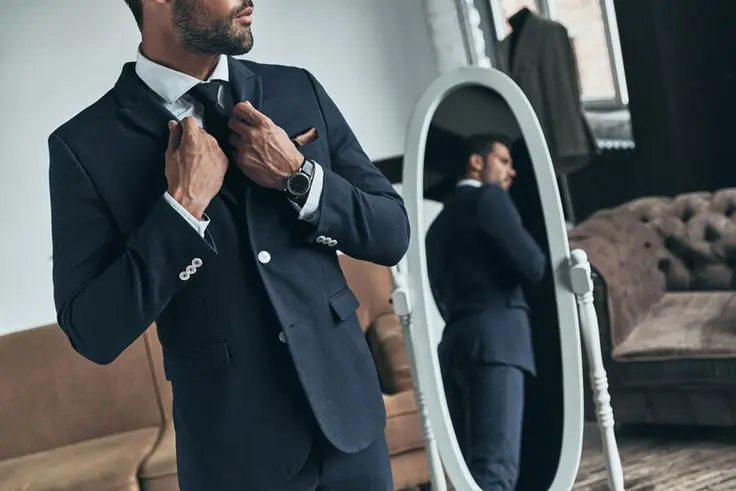

Introduction
Men’s fashion has evolved significantly over the years. Today, it is no longer limited to formal suits and basic casual wear. Modern men have countless opportunities to express their personalities, build confidence, and create a strong impression through clothing choices. Whether you are a student, working professional, entrepreneur, or simply someone who wants to improve personal style, understanding men’s fashion can make a remarkable difference in your daily life.
Fashion is not about buying the most expensive clothes or following every trend. Instead, it is about understanding what suits your body type, lifestyle, and personal preferences. A well-dressed man often appears more confident, organized, and approachable. From choosing the right colors to building a versatile wardrobe, every decision contributes to a polished appearance.
Many beginners assume that fashion is complicated. However, the reality is quite different. With a few fundamental principles and practical styling techniques, anyone can improve their appearance and develop a timeless sense of style. Men’s fashion focuses on balance, fit, comfort, and confidence rather than excessive experimentation.
What is Men’s Fashion?
Men’s fashion refers to the clothing, footwear, accessories, grooming habits, and styling choices that men use to present themselves. It encompasses everything from casual outfits and business attire to formal wear and seasonal trends.
Fashion is a form of self-expression. Through clothing, men communicate their personality, professionalism, interests, and confidence. Modern men’s fashion combines functionality with aesthetics, allowing individuals to look stylish while remaining comfortable.
The concept includes:
- Clothing selection
- Footwear choices
- Accessories
- Grooming practices
- Color coordination
- Seasonal styling
- Trend awareness
- Personal branding
Ultimately, men’s fashion is about creating a consistent and appealing image that aligns with your lifestyle and goals.
Why is Men’s Fashion Important?
Many people underestimate the impact of appearance. However, studies and real-world experiences consistently show that clothing influences how others perceive us.
Creates Strong First Impressions
People often form opinions within seconds of meeting someone. Well-chosen clothing can immediately convey professionalism, confidence, and attention to detail.
Boosts Confidence
When you look good, you generally feel better about yourself. Wearing clothes that fit properly can significantly improve self-esteem.
Enhances Professional Opportunities
In many workplaces, appearance contributes to professional credibility. Dressing appropriately can help establish authority and trust.
Reflects Personal Identity
Fashion allows men to express their individuality without saying a word. Your clothing choices communicate your lifestyle and values.
Improves Social Interactions
A polished appearance often makes social interactions smoother because people tend to respond positively to those who present themselves well.
Detailed Step-by-Step Guide
Step 1: Understand Your Body Type
Before purchasing clothing, identify your body shape.
Common body types include:
- Slim
- Athletic
- Average
- Broad
- Heavyset
Understanding your body type helps you choose clothing that enhances strengths while minimizing less flattering features.
For example, athletic men often look great in fitted shirts, while broader individuals may benefit from structured garments that create balance.
Step 2: Focus on Proper Fit
Fit is the most important rule in men’s fashion.
Even expensive clothing looks unattractive when it does not fit correctly.
Pay attention to:
- Shoulder alignment
- Sleeve length
- Trouser length
- Waist fit
- Jacket structure
A properly fitted outfit instantly elevates your appearance.
Step 3: Build a Basic Wardrobe
Every man should own several timeless essentials.
Key wardrobe items include:
- White dress shirt
- Blue dress shirt
- Black T-shirt
- White T-shirt
- Dark jeans
- Chinos
- Navy blazer
- Black shoes
- Brown shoes
- Leather belt
These items provide the foundation for countless outfit combinations.
Step 4: Learn Color Coordination
Color matching plays a vital role in men’s fashion.
Begin with neutral colors such as:
- Black
- White
- Navy
- Gray
- Beige
Once comfortable, introduce accent colors like burgundy, olive, or light blue.
A simple rule is to avoid combining too many bright colors in one outfit.
Step 5: Invest in Quality Footwear
Shoes often determine the overall impression of an outfit.
Essential footwear options include:
- White sneakers
- Black dress shoes
- Brown loafers
- Chelsea boots
- Running shoes
Quality footwear improves both appearance and comfort.
Step 6: Understand Different Dress Codes
Every occasion requires appropriate clothing.
Common dress codes include:
Casual
Casual wear includes T-shirts, jeans, sneakers, and comfortable layering pieces.
Smart Casual
Smart casual combines comfort with sophistication.
Examples include:
- Polo shirts
- Chinos
- Loafers
- Casual blazers
Business Casual
Business casual is common in modern workplaces.
Typical outfits include:
- Button-down shirts
- Chinos
- Dress shoes
- Lightweight blazers
Formal
Formal attire often includes:
- Suits
- Dress shirts
- Ties
- Oxford shoes
Step 7: Accessorize Wisely
Accessories add personality and refinement.
Popular options include:
- Watches
- Sunglasses
- Leather belts
- Bracelets
- Pocket squares
Avoid excessive accessories, as simplicity often appears more sophisticated.
Step 8: Prioritize Grooming
Fashion extends beyond clothing.
Maintain:
- Clean haircuts
- Well-groomed facial hair
- Healthy skin
- Clean nails
Good grooming enhances every outfit.
Step 9: Adapt to Seasonal Fashion
Different seasons require different approaches.
Summer
Choose lightweight fabrics such as:
- Cotton
- Linen
Opt for lighter colors and breathable clothing.
Winter
Focus on layering with:
- Jackets
- Sweaters
- Coats
- Boots
Layering adds depth and functionality.
Step 10: Develop Personal Style
After mastering the basics, develop your unique style.
Ask yourself:
- What colors do I enjoy?
- What clothing feels comfortable?
- What image do I want to project?
Personal style should reflect authenticity rather than blindly following trends.
Benefits of Men’s Fashion

A strong understanding of men’s fashion offers numerous advantages.
- Improves self-confidence
- Creates positive first impressions
- Enhances professional image
- Encourages self-expression
- Improves social interactions
- Helps build personal branding
- Increases wardrobe efficiency
- Reduces shopping mistakes
- Supports better grooming habits
- Promotes overall self-care
Disadvantages / Risks
While fashion offers many benefits, there are potential drawbacks when approached incorrectly.
- Overspending on trends
- Following fashion blindly
- Purchasing low-quality items
- Ignoring personal comfort
- Becoming overly appearance-focused
- Building an impractical wardrobe
- Neglecting functionality for style
- Falling victim to fast-fashion waste
Balancing style, practicality, and budget is essential.
Common Mistakes to Avoid
Many men unknowingly make fashion mistakes that reduce their overall appearance.
Wearing Clothes That Don’t Fit
Baggy or overly tight clothing rarely looks flattering.
Always prioritize proper fit.
Chasing Every Trend
Trends come and go quickly.
Focus on timeless essentials before experimenting.
Ignoring Footwear
Even a great outfit can be ruined by poor shoes.
Invest in versatile, high-quality footwear.
Overusing Logos
Large logos can appear distracting and less sophisticated.
Subtle branding usually looks more refined.
Neglecting Grooming
Excellent clothing cannot compensate for poor grooming habits.
Maintain cleanliness and personal hygiene.
Wearing Wrinkled Clothing
Wrinkles make outfits appear careless.
Iron clothes when necessary.
Mixing Too Many Colors
Excessive color combinations create visual clutter.
Keep color palettes simple and balanced.
Forgetting Occasion Appropriateness
Always dress according to the event or environment.
Context matters significantly in men’s fashion.
FAQs
1. How can beginners improve their fashion sense?
Beginners should focus on fit, wardrobe essentials, neutral colors, and grooming. Learning basic styling principles gradually leads to noticeable improvements.
2. How many outfits should a man own?
There is no fixed number. A practical wardrobe usually includes versatile essentials that can create multiple outfit combinations for different occasions.
3. What are the most important wardrobe essentials?
Core essentials include white shirts, dark jeans, chinos, quality shoes, basic T-shirts, and a navy blazer.
4. Are expensive clothes necessary for good style?
No. Proper fit, quality materials, and smart styling matter more than expensive brand names.
5. What colors work best for men?
Neutral colors such as navy, black, white, gray, and beige are highly versatile and easy to coordinate.
6. How often should men update their wardrobe?
Review your wardrobe seasonally. Replace worn-out items and add pieces that complement existing clothing.
7. What is the biggest fashion mistake men make?
Wearing poorly fitted clothing is often considered the most common and damaging fashion mistake.
8. How important are accessories in men’s fashion?
Accessories enhance outfits by adding personality and sophistication, but moderation is important.
Expert Tips & Bonus Points
Fashion experts often rely on simple principles rather than complicated rules.
Invest in Timeless Pieces
Classic clothing remains stylish for years.
Examples include:
- Navy blazers
- White shirts
- Dark denim
- Leather shoes
Use the One-Third Rule
Avoid dividing outfits exactly in half visually.
Creating balanced proportions generally appears more attractive.
Tailor Your Clothes
Minor alterations can dramatically improve fit and overall appearance.
Tailoring is often one of the smartest fashion investments.
Build a Capsule Wardrobe
A capsule wardrobe consists of versatile pieces that work together.
Benefits include:
- Easier outfit planning
- Reduced clutter
- Better spending control
Prioritize Fabric Quality
Quality fabrics last longer and look better.
Look for:
- Cotton
- Wool
- Linen
- Cashmere
Maintain Your Clothing
Proper care extends garment lifespan.
Remember to:
- Follow washing instructions
- Store clothes correctly
- Use shoe trees
- Repair minor damage quickly
Understand Style Icons Carefully
Learning from well-dressed individuals can provide inspiration.
However, adapt ideas to your own body type and lifestyle.
Confidence Completes Every Outfit
Even the most fashionable clothing cannot replace genuine confidence.
Wear your clothes with purpose and comfort.
Conclusion
Men’s fashion is much more than clothing. It is a powerful tool for self-expression, confidence building, and personal development. By understanding the basics of fit, color coordination, wardrobe essentials, grooming, and occasion-appropriate dressing, any man can significantly improve his appearance and create a lasting impression.
The journey toward better style does not require a massive budget or a closet filled with designer brands. Instead, it begins with thoughtful decisions, quality essentials, and a willingness to learn what works best for your body type and lifestyle. Small improvements, such as wearing properly fitted clothes, maintaining good grooming habits, and choosing versatile wardrobe pieces, can produce remarkable results.
As trends continue to evolve, timeless principles remain relevant. Focus on comfort, confidence, quality, and authenticity rather than chasing every new fashion movement. Building a personal style takes time, but the rewards are substantial. A strong sense of style can enhance professional opportunities, strengthen social interactions, and improve self-confidence in everyday situations.