
Introduction
Style is much more than clothing. It is a reflection of personality, confidence, lifestyle, and creativity. Every person has a unique way of expressing themselves, and fashion often serves as one of the most visible forms of self-expression. This is where style inspiration becomes valuable. It helps individuals discover ideas, explore trends, and develop a personal appearance that feels authentic and comfortable.
Many people struggle with fashion choices because they are unsure of what suits them best. Some follow trends blindly, while others stick to the same outfits for years without exploring new possibilities. Style inspiration provides a middle ground by offering fresh ideas while allowing people to stay true to their personalities.
Whether you are a beginner learning the basics of fashion or someone looking to refresh your wardrobe, understanding style inspiration can transform the way you dress. It encourages experimentation, boosts confidence, and helps you create a wardrobe that matches your goals and lifestyle.
What is Style Inspiration?
Style inspiration refers to the ideas, influences, and visual references that help shape an individual’s fashion choices and personal appearance. It can come from people, cultures, trends, events, or even everyday experiences.
For example, someone may feel inspired by classic European fashion, while another person may prefer casual streetwear. Both styles are valid because inspiration is highly personal.
Style inspiration often includes:
- Clothing choices
- Color combinations
- Accessories
- Hairstyles
- Footwear
- Fashion trends
- Lifestyle influences
The purpose of style inspiration is not to imitate others exactly. Instead, it serves as a starting point for creating a look that feels genuine and comfortable.
A person inspired by minimalist fashion may choose simple outfits with neutral colors, while someone influenced by creative street style may prefer bold patterns and unique accessories. In both cases, inspiration helps guide fashion decisions.
Why is Style Inspiration Important?
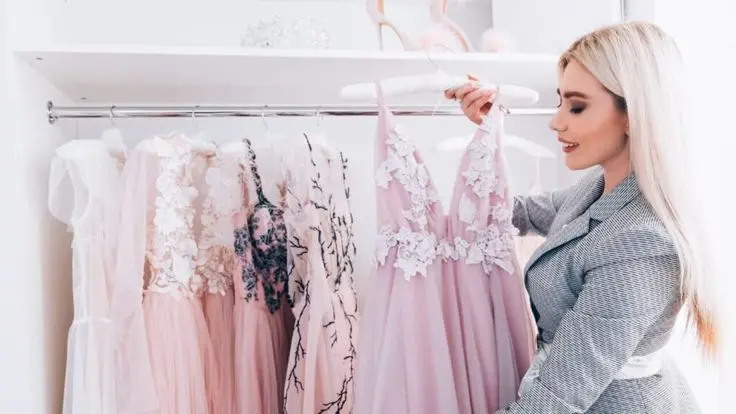
Style inspiration plays a significant role in personal development and self-expression.
First, it helps individuals discover what they truly like. Many people wear clothes based on habit rather than preference. Exploring different style ideas can reveal new possibilities.
Second, style inspiration builds confidence. When people wear outfits they genuinely enjoy, they often feel more comfortable and self-assured.
Third, it encourages creativity. Fashion becomes more enjoyable when individuals experiment with different combinations and looks.
Additional reasons why style inspiration matters include:
- Helps create a consistent personal image
- Makes shopping easier and more focused
- Reduces wardrobe confusion
- Encourages self-expression
- Supports professional and social goals
- Keeps fashion choices fresh and interesting
Without inspiration, many people find themselves repeating the same clothing choices without exploring their full style potential.
Detailed Step-by-Step Guide
Step 1: Understand Your Lifestyle
Before choosing a style, consider your daily activities and responsibilities.
Ask yourself:
- Do you work in a formal environment?
- Do you spend most of your time casually?
- Do you attend frequent social events?
- Do you travel often?
Your style should support your lifestyle rather than work against it.
For example, a corporate professional may require polished outfits, while a freelancer may prefer comfortable and versatile clothing.
Step 2: Identify Fashion Influences
Take time to explore different sources of style inspiration.
Popular sources include:
- Fashion magazines
- Social media platforms
- Celebrity fashion
- Street style photography
- Fashion blogs
- Movies and television shows
Save images and outfit ideas that catch your attention. Over time, patterns will emerge, helping you identify your preferences.
Step 3: Create a Style Mood Board
A mood board is a collection of images representing your preferred aesthetic.
Include:
- Clothing styles
- Colors
- Accessories
- Hairstyles
- Shoes
- Textures
Review your mood board regularly to understand recurring themes.
For example, you may notice a preference for neutral tones, tailored pieces, or vintage-inspired looks.
Step 4: Analyze Your Current Wardrobe
Examine the clothes you already own.
Separate items into categories:
- Favorites you wear frequently
- Pieces you rarely wear
- Items that no longer fit your style
This process helps identify strengths and weaknesses within your wardrobe.
You may discover that your favorite outfits share similar colors, cuts, or styles.
Step 5: Define Your Personal Style
After gathering inspiration, begin defining your style identity.
Common style categories include:
- Classic
- Minimalist
- Casual
- Streetwear
- Bohemian
- Elegant
- Sporty
- Vintage
- Modern Chic
Many people combine multiple categories to create a unique look.
Step 6: Choose a Color Palette
Colors significantly influence personal style.
A consistent color palette makes outfit coordination easier.
Popular palettes include:
- Neutral tones
- Earthy colors
- Monochromatic schemes
- Pastel shades
- Bold statement colors
Choose colors that complement your skin tone and personality.
Step 7: Invest in Essential Pieces
Build your wardrobe around versatile essentials.
Examples include:
- Well-fitted jeans
- Neutral shirts
- Classic jackets
- Comfortable shoes
- Quality outerwear
These foundation pieces provide flexibility when creating different outfits.
Step 8: Experiment Gradually
Avoid changing your entire wardrobe overnight.
Instead:
- Introduce one new style element at a time
- Test different combinations
- Evaluate comfort and confidence levels
Gradual experimentation helps create a more authentic style evolution.
Step 9: Accessorize Thoughtfully
Accessories can transform simple outfits.
Consider:
- Watches
- Belts
- Jewelry
- Scarves
- Bags
- Sunglasses
The right accessories add personality without overwhelming an outfit.
Step 10: Refine and Evolve
Style inspiration is an ongoing journey.
Fashion preferences often change over time due to lifestyle shifts, career growth, and personal development.
Review your wardrobe regularly and make adjustments when necessary.
Benefits of Style Inspiration
Style inspiration offers numerous advantages.
- Helps develop a unique personal identity
- Boosts self-confidence
- Encourages creativity and experimentation
- Makes shopping more efficient
- Improves wardrobe organization
- Supports professional image building
- Reduces unnecessary purchases
- Enhances first impressions
- Increases outfit versatility
- Makes daily dressing easier
These benefits contribute to both personal satisfaction and practical wardrobe management.
Disadvantages / Risks
While style inspiration is valuable, certain challenges may arise.
- Copying others too closely instead of developing individuality
- Spending excessively on trends
- Following styles that do not suit your lifestyle
- Feeling pressured by social media standards
- Purchasing unnecessary clothing items
- Comparing yourself to others excessively
- Chasing short-term fashion trends
Awareness of these risks helps maintain a balanced approach to fashion inspiration.
Common Mistakes to Avoid
One common mistake is blindly following trends. Not every trend suits every person, body type, or lifestyle.
Another mistake is ignoring comfort. Stylish clothing should still feel comfortable and practical.
Many people also purchase items simply because they are fashionable. However, if a piece does not align with your overall style, it may remain unworn.
Additional mistakes include:
- Buying low-quality items repeatedly
- Choosing the wrong fit
- Ignoring wardrobe basics
- Over-accessorizing
- Neglecting personal preferences
- Dressing for others instead of yourself
Avoiding these mistakes leads to a more authentic and sustainable style journey.
FAQs
1. What is the best source of style inspiration?
The best source depends on individual preferences. Fashion magazines, social media, celebrities, and street fashion are popular options. However, personal experiences and lifestyle needs often provide the most meaningful inspiration.
2. How can beginners develop personal style?
Beginners should start by exploring different fashion influences, creating mood boards, analyzing their current wardrobe, and experimenting gradually. Consistency and self-awareness are key.
3. Is it okay to follow fashion trends?
Yes, following trends can be enjoyable. However, trends should complement your personal style rather than replace it. Choose trends that genuinely suit your preferences.
4. How often should I update my wardrobe?
There is no fixed schedule. Many people review their wardrobe seasonally. The goal is to replace worn items and add pieces that support evolving style preferences.
5. Can style inspiration improve confidence?
Absolutely. Wearing outfits that reflect your personality often increases comfort, confidence, and self-esteem in both social and professional situations.
6. How do I avoid copying someone else’s style?
Focus on adapting inspiration rather than duplicating it. Combine elements from different sources and customize them according to your personality and lifestyle.
7. Does personal style change over time?
Yes. Personal style naturally evolves due to age, career changes, lifestyle adjustments, and new experiences. Regular refinement helps keep your wardrobe relevant and authentic.
8. Do expensive clothes create better style?
Not necessarily. Style depends more on fit, coordination, confidence, and personal expression than price. Affordable clothing can look exceptional when styled effectively.
Expert Tips & Bonus Points
Developing a strong personal style requires patience and consistency.
Consider these expert recommendations:
- Prioritize fit over brand names
- Build a wardrobe around versatile essentials
- Focus on quality instead of quantity
- Learn basic color coordination
- Keep a collection of outfit inspirations
- Tailor important clothing pieces when needed
- Invest in timeless fashion staples
- Regularly review wardrobe performance
- Experiment with accessories carefully
- Stay open to style evolution
Bonus Tip:
Photograph your favorite outfits. Reviewing these images helps identify patterns and understand what makes you feel most confident and comfortable.
Another valuable strategy is creating outfit combinations in advance. This reduces decision fatigue and saves time during busy mornings.
Most importantly, remember that personal style should reflect who you are rather than who others expect you to be.
Conclusion
Style inspiration serves as a powerful tool for discovering, developing, and refining personal style. Rather than simply following trends, it encourages individuals to explore ideas, understand their preferences, and create a wardrobe that reflects their personality and lifestyle.
The journey toward better style begins with observation and self-awareness. By examining different influences, creating mood boards, analyzing existing wardrobes, and experimenting gradually, anyone can develop a distinctive fashion identity. The process does not require expensive clothing or constant trend chasing. Instead, it relies on thoughtful choices, consistency, and confidence.
Style inspiration also offers practical benefits. It simplifies shopping decisions, improves wardrobe organization, enhances self-expression, and boosts confidence in both personal and professional settings. At the same time, it is important to avoid common mistakes such as blindly copying trends or prioritizing appearance over comfort.