
Introduction
Makeup is more than just applying products to the face. It is a creative way to enhance natural beauty, boost confidence, and express personal style. Whether you are getting ready for work, attending a special event, or simply experimenting with different looks, understanding the right makeup tips can make a significant difference in the final result.
Many beginners feel overwhelmed when they first enter the world of makeup. With countless products, techniques, and trends available, it can be difficult to know where to start. Even intermediate users often struggle with issues such as uneven foundation, poorly blended eyeshadow, or makeup that does not last throughout the day.
The good news is that achieving a polished appearance does not require professional skills. By learning a few essential makeup tips and practicing the right techniques, anyone can create a beautiful and natural-looking finish. Understanding your skin type, choosing suitable products, and applying them correctly are the foundations of successful makeup application.
What is Makeup Tips?
Makeup tips are practical techniques, recommendations, and strategies that help individuals apply cosmetic products more effectively. These tips are designed to improve the appearance, longevity, and overall quality of makeup.
They can cover various aspects of beauty, including:
- Skin preparation
- Foundation application
- Concealer techniques
- Eye makeup methods
- Lip enhancement
- Contouring and highlighting
- Product selection
- Makeup removal
The purpose of makeup tips is to simplify the process and help users avoid common mistakes. Instead of relying solely on expensive products, good techniques often make the biggest difference.
For example, properly moisturizing the skin before applying foundation can create a smoother finish than simply purchasing a more expensive foundation. Similarly, blending eyeshadow correctly can dramatically improve the final look.
These tips help people achieve professional-looking results while building confidence in their makeup skills.
Why is Makeup Tips Important?
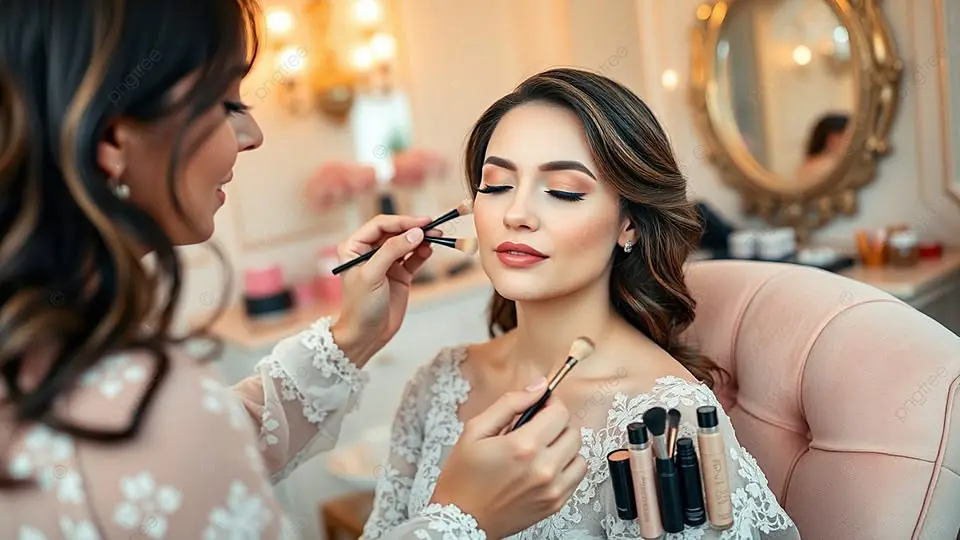
Learning makeup tips is important because it allows individuals to maximize the effectiveness of their products while avoiding unnecessary mistakes.
Here are some reasons why makeup tips matter:
Better Results
Proper techniques help makeup appear smoother, more natural, and more polished.
Saves Money
Understanding how to use products correctly reduces waste and prevents unnecessary purchases.
Enhances Confidence
Well-applied makeup can improve self-esteem and help individuals feel more comfortable in social situations.
Protects Skin Health
Many makeup tips focus on skincare and hygiene, reducing the risk of irritation and breakouts.
Improves Longevity
Correct application methods help makeup last longer throughout the day.
Makes Product Selection Easier
Knowledge of makeup techniques helps users choose products that suit their needs and skin type.
Detailed Step-by-Step Guide
Step 1: Start with Clean Skin
The first and most important makeup tip is to begin with clean skin.
Wash your face using a gentle cleanser to remove dirt, oil, and impurities. Clean skin creates a smooth canvas for makeup application and helps products adhere better.
If your skin is not clean, makeup may appear patchy or uneven.
Step 2: Apply Moisturizer
Moisturizing is essential regardless of skin type.
Benefits include:
- Smooth makeup application
- Reduced dryness
- Better foundation blending
- Healthier-looking skin
Choose a moisturizer that suits your skin’s needs.
Step 3: Use Primer
Primer creates a barrier between the skin and makeup.
It helps:
- Minimize pores
- Smooth texture
- Extend makeup wear
- Control oil production
Apply a small amount evenly across the face before foundation.
Step 4: Choose the Right Foundation
One of the most valuable makeup tips is selecting the correct foundation shade.
When choosing foundation:
- Test on the jawline.
- Check the color in natural light.
- Match your undertone.
- Consider your skin type.
A properly matched foundation creates a seamless appearance.
Step 5: Apply Foundation Correctly
Use one of the following tools:
- Makeup sponge
- Foundation brush
- Clean fingertips
Start from the center of the face and blend outward.
Build coverage gradually instead of applying too much product at once.
Step 6: Conceal Imperfections
Concealer helps hide:
- Dark circles
- Blemishes
- Redness
- Uneven skin tone
Apply concealer after foundation for a natural finish.
Blend carefully to avoid noticeable lines.
Step 7: Set with Powder
Powder helps prevent creasing and controls shine.
Focus on areas such as:
- Forehead
- Nose
- Chin
- Under-eye area
Avoid using excessive powder, as it can make skin appear dry.
Benefits of Makeup Tips
Learning and following effective makeup tips provides many advantages:
- Creates a more polished appearance
- Improves makeup longevity
- Enhances confidence
- Saves money on products
- Helps avoid application errors
- Encourages healthier skin habits
- Makes beauty routines more efficient
- Produces professional-looking results
- Simplifies product selection
- Reduces makeup waste
- Improves blending techniques
- Supports creativity and self-expression
Disadvantages / Risks
While makeup offers many benefits, there are also some potential risks:
- Using expired products can cause irritation
- Poor hygiene may lead to breakouts
- Excessive makeup can clog pores
- Incorrect product selection may worsen skin issues
- Sharing makeup products can spread bacteria
- Sleeping with makeup on may damage skin
- Overapplication can create an unnatural appearance
- Frequent use of low-quality products may irritate sensitive skin
Awareness of these risks helps maintain healthy skin while enjoying makeup.
Common Mistakes to Avoid
Many people unknowingly make mistakes that affect the quality of their makeup.
Choosing the Wrong Foundation Shade
A mismatched foundation is one of the most noticeable errors.
Always test shades in natural lighting before purchasing.
Skipping Skincare
Healthy skin is the foundation of successful makeup.
Never neglect cleansing and moisturizing.
Using Too Much Product
Heavy layers can make makeup look cakey and unnatural.
Apply products gradually.
Ignoring Blending
Poor blending creates harsh lines and uneven color.
Take extra time to blend thoroughly.
Overdrawing Eyebrows
Extremely dark or heavily drawn brows may appear unnatural.
Focus on soft definition.
Applying Excessive Powder
Too much powder can emphasize fine lines and dryness.
Use only where necessary.
Neglecting Makeup Removal
Leaving makeup on overnight can contribute to skin problems.
Always remove makeup before sleeping.
Following Every Trend
Not every trend suits every face shape or skin type.
Choose techniques that complement your features.
FAQs
1. What are the best makeup tips for beginners?
Beginners should focus on skincare, choosing the correct foundation shade, blending products well, and practicing simple techniques before attempting advanced looks.
2. How can I make my makeup last all day?
Use moisturizer, primer, setting powder, and setting spray. Applying thin layers and allowing products to set properly also helps improve longevity.
3. Should concealer be applied before or after foundation?
Most makeup artists recommend applying concealer after foundation. This prevents unnecessary product use and creates a more natural finish.
4. How do I choose the right foundation?
Match the shade to your jawline, consider your undertone, and select a formula suitable for your skin type.
5. What is the correct order of makeup application?
A common order is:
- Cleanser
- Moisturizer
- Primer
- Foundation
- Concealer
- Powder
- Blush
- Bronzer
- Highlighter
- Eyeshadow
- Eyeliner
- Mascara
- Lipstick
- Setting spray
6. How often should makeup brushes be cleaned?
Brushes used for liquid products should be cleaned weekly. Other brushes should be cleaned at least every two weeks.
7. Is expensive makeup always better?
Not necessarily. Many affordable products perform exceptionally well when applied using proper techniques.
8. Can makeup damage the skin?
Makeup itself is not usually harmful. Problems typically arise from poor hygiene, expired products, or failing to remove makeup properly.
Expert Tips & Bonus Points
Professional makeup artists often rely on simple techniques that anyone can learn.
Use Natural Lighting
Natural light provides the most accurate view of makeup application.
Hydrate Regularly
Well-hydrated skin supports smoother makeup application.
Layer Products Slowly
Thin layers create a more natural and long-lasting finish.
Blend More Than You Think Necessary
Blending is one of the most important makeup tips for achieving a professional appearance.
Invest in Good Tools
Quality brushes and sponges often improve results significantly.
Match Makeup to the Occasion
Different settings require different makeup styles.
For example:
- Natural makeup for work
- Soft glam for social events
- Full glam for special occasions
Keep Your Makeup Kit Organized
An organized collection saves time and helps maintain product hygiene.
Replace Expired Products
Old products can affect performance and increase the risk of irritation.
Practice Consistently
Skill improves through repetition. Even professional artists continue refining their techniques.
Focus on Skin Health
The best makeup always starts with healthy skin. Consistent skincare supports every aspect of beauty application.
Conclusion
Mastering makeup does not happen overnight, but anyone can improve with the right knowledge and consistent practice. The most effective makeup tips focus on preparation, technique, product selection, and proper blending rather than relying solely on expensive cosmetics. By understanding the basics and applying products thoughtfully, you can achieve a polished and attractive appearance suitable for any occasion.
From cleansing and moisturizing to foundation application and setting your final look, every step contributes to the overall result. Paying attention to details such as choosing the correct shade, blending thoroughly, and maintaining good hygiene can dramatically improve the quality of your makeup. These small habits often make a greater impact than purchasing additional products.
Remember that makeup should enhance your natural features rather than hide them. Experiment with different styles, learn from your experiences, and adapt techniques to suit your unique face shape and skin type. Confidence grows as your skills improve, making the process more enjoyable and rewarding.