
Introduction
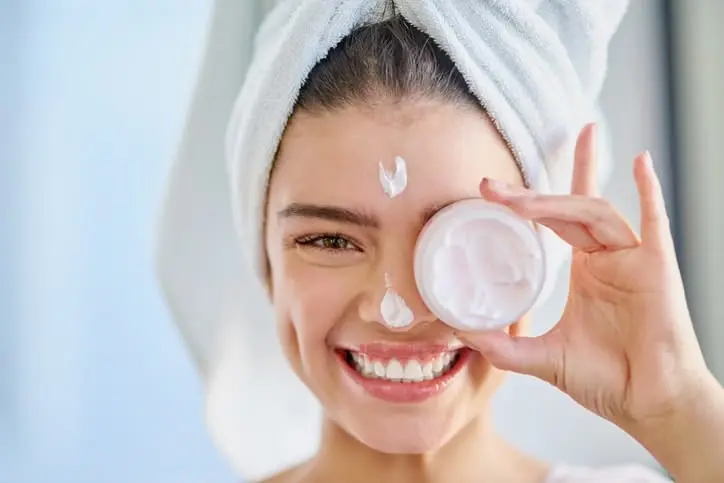
A beauty routine is one of the most effective ways to maintain healthy, glowing, and youthful-looking skin. While many people believe that achieving beautiful skin requires expensive products or complicated treatments, the truth is much simpler. A consistent beauty routine can make a significant difference in the appearance and health of your skin over time.
For beginners, the world of skincare and beauty can feel overwhelming. There are countless products, techniques, and recommendations available online. However, creating a beauty routine does not have to be difficult. The key is understanding your skin type, choosing suitable products, and following a regular schedule.
A proper beauty routine helps remove dirt, excess oil, and impurities while keeping the skin hydrated and protected. It also supports the skin’s natural repair process and reduces the chances of common issues such as acne, dryness, and premature aging.
What is Beauty Routine?
A beauty routine is a series of daily and weekly practices designed to maintain and improve the health and appearance of your skin. It includes cleansing, moisturizing, protecting, and treating the skin using products and techniques that suit your specific needs.
A beauty routine can vary from person to person depending on factors such as skin type, age, lifestyle, and personal goals. Some people prefer a simple routine with only a few steps, while others enjoy a more detailed regimen.
The primary purpose of a beauty routine is to keep the skin clean, balanced, hydrated, and protected from environmental damage. Consistency is more important than complexity. Even a simple beauty routine performed regularly can produce impressive results.
Why is Beauty Routine Important?
Your skin is exposed to pollution, sunlight, dirt, and other environmental stressors every day. Without proper care, these factors can affect the skin’s health and appearance.
A beauty routine is important because it helps maintain the skin’s natural balance. Regular cleansing removes impurities, while moisturizing prevents dryness and irritation. Sunscreen protects against harmful UV rays that can cause premature aging and skin damage.
In addition, a beauty routine allows you to identify and address skin concerns before they become more serious. Whether you are dealing with acne, dullness, sensitivity, or uneven skin tone, a structured approach can help improve your skin over time.
A good beauty routine also promotes self-care. Taking a few minutes each day to care for yourself can boost confidence and contribute to overall well-being.
Detailed Step-by-Step Guide
Step 1: Identify Your Skin Type
Before building a beauty routine, determine your skin type.
Common skin types include:
- Normal skin
- Oily skin
- Dry skin
- Combination skin
- Sensitive skin
Understanding your skin type helps you choose products that provide the best results.
Step 2: Cleanse Your Skin
Cleansing is the foundation of every beauty routine. It removes dirt, makeup, oil, and pollutants that accumulate throughout the day.
Tips for cleansing:
- Use a gentle cleanser suitable for your skin type.
- Wash your face twice daily.
- Avoid harsh scrubbing.
- Use lukewarm water instead of hot water.
A proper cleanse prepares your skin for the next steps in your beauty routine.
Step 3: Apply Toner
Toner helps refresh the skin after cleansing and can improve the absorption of other skincare products.
Benefits of toner include:
- Removing leftover impurities
- Balancing skin pH
- Providing light hydration
- Preparing the skin for treatments
Choose an alcohol-free toner to avoid excessive dryness.
Step 4: Use Serums
Serums contain concentrated ingredients designed to target specific concerns.
Popular serum ingredients include:
- Vitamin C for brightening
- Hyaluronic acid for hydration
- Niacinamide for oil control
- Retinol for anti-aging
Apply a few drops after toner and before moisturizer.
Step 5: Moisturize Daily
Moisturizing is essential for all skin types, including oily skin.
Benefits of moisturizing:
- Locks in hydration
- Strengthens the skin barrier
- Reduces dryness
- Improves skin texture
Choose a lightweight formula for oily skin and a richer formula for dry skin.
Step 6: Apply Sunscreen
Sunscreen is one of the most important parts of any beauty routine.
Daily sunscreen use helps:
- Prevent sunburn
- Reduce premature aging
- Minimize dark spots
- Lower the risk of skin damage
Use sunscreen with at least SPF 30 and reapply when necessary.
Step 7: Remove Makeup Properly
Never sleep with makeup on your skin.
Makeup residue can:
- Clog pores
- Cause breakouts
- Lead to dull skin
- Accelerate signs of aging
Use a makeup remover followed by a gentle cleanser.
Step 8: Exfoliate Weekly
Exfoliation removes dead skin cells and encourages cell renewal.
Recommended frequency:
- Oily skin: 2–3 times per week
- Normal skin: 1–2 times per week
- Sensitive skin: Once weekly
Avoid over-exfoliating, as it may irritate the skin.
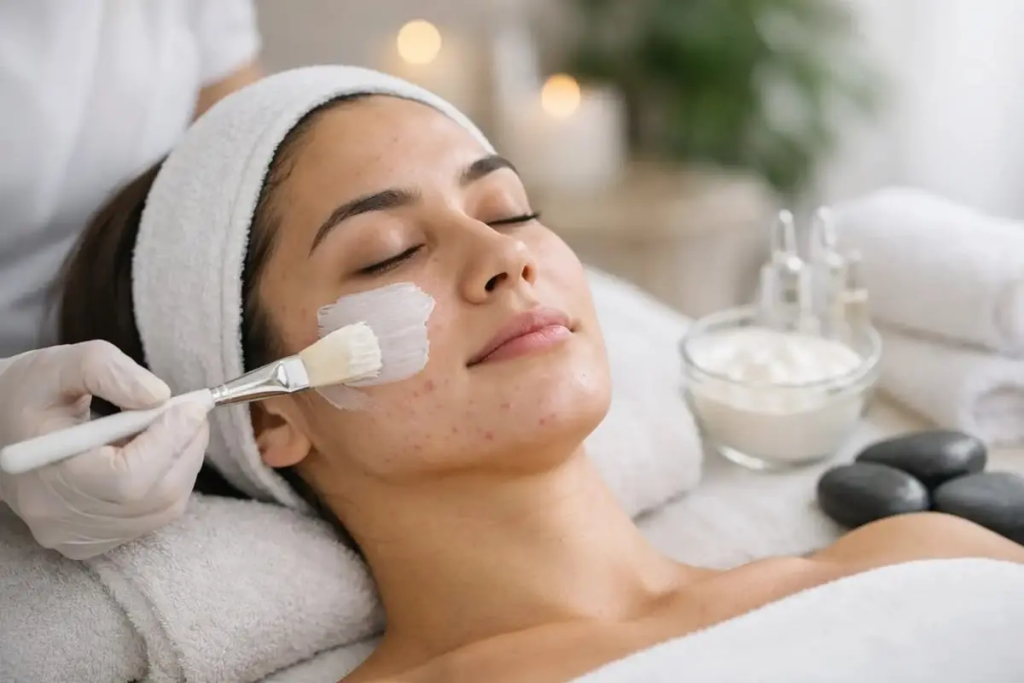
Step 9: Use Face Masks
Face masks provide targeted treatment and extra care.
Examples include:
- Clay masks for oily skin
- Hydrating masks for dry skin
- Brightening masks for dull skin
Use face masks once or twice weekly.
Step 10: Follow a Nighttime Routine
Nighttime is when the skin naturally repairs itself.
A basic evening beauty routine may include:
- Cleanser
- Toner
- Serum
- Moisturizer
- Eye cream if needed
Consistency during nighttime care often leads to visible improvements.
Benefits of Beauty Routine
Following a beauty routine offers numerous advantages:
- Promotes healthier skin
- Enhances natural glow
- Reduces acne and breakouts
- Improves hydration levels
- Supports skin repair
- Minimizes signs of aging
- Creates a smoother texture
- Boosts self-confidence
- Helps maintain an even skin tone
- Protects against environmental damage
- Encourages healthy habits
- Improves product effectiveness
- Reduces dryness and irritation
- Helps prevent clogged pores
- Supports long-term skin health
Disadvantages / Risks
Although a beauty routine is beneficial, there are some potential risks if not done correctly:
- Using unsuitable products may cause irritation.
- Excessive exfoliation can damage the skin barrier.
- Overusing active ingredients may lead to sensitivity.
- Frequent product switching can confuse the skin.
- Ignoring sunscreen reduces the effectiveness of other skincare steps.
- Using expired products may cause breakouts.
- Applying too many products can overwhelm the skin.
- Allergic reactions may occur with certain ingredients.
Understanding these risks can help you make better skincare decisions.
Common Mistakes to Avoid
Many people unintentionally harm their skin by making common skincare mistakes.
One major mistake is using products that are not suitable for your skin type. What works for someone else may not work for you.
Another common issue is inconsistency. A beauty routine only delivers results when followed regularly. Skipping steps frequently can reduce effectiveness.
Many individuals also over-exfoliate in hopes of achieving faster results. Unfortunately, this often leads to irritation and sensitivity.
Forgetting sunscreen is another serious mistake. UV exposure can damage the skin even on cloudy days.
Using too many products at once is also problematic. Introducing several new products simultaneously makes it difficult to determine which product is causing irritation if a reaction occurs.
Lastly, neglecting hydration can negatively affect all skin types. Proper hydration supports healthy skin function and appearance.
FAQs
1. How often should I follow a beauty routine?
A beauty routine should be followed daily. Morning and evening routines provide the best results because they address different skincare needs throughout the day.
2. Can beginners start with a simple beauty routine?
Yes. Beginners can start with three basic steps: cleansing, moisturizing, and applying sunscreen. Additional products can be introduced gradually.
3. How long does it take to see results?
Results vary depending on skin type and concerns. Many people notice improvements within four to eight weeks of consistent skincare.
4. Is sunscreen necessary indoors?
Yes. UV rays can penetrate windows, making sunscreen an important part of your beauty routine even when indoors.
5. Can oily skin skip moisturizer?
No. Oily skin still requires hydration. Skipping moisturizer may cause the skin to produce even more oil.
6. What should I do if a product causes irritation?
Stop using the product immediately and monitor your skin. If irritation persists, consult a skincare professional.
7. How many products should a beauty routine include?
A beauty routine does not need many products. Most people achieve excellent results with a cleanser, moisturizer, sunscreen, and one or two targeted treatments.
8. Is exfoliation necessary for everyone?
Exfoliation can benefit most skin types when done correctly. However, the frequency and method should be adjusted based on individual skin sensitivity.
Expert Tips & Bonus Points
To maximize the effectiveness of your beauty routine, consider the following expert recommendations.
- Drink enough water daily.
- Maintain a balanced diet rich in fruits and vegetables.
- Get sufficient sleep each night.
- Clean makeup brushes regularly.
- Change pillowcases frequently.
- Avoid touching your face unnecessarily.
- Introduce new products one at a time.
- Perform patch tests before trying new skincare products.
- Be patient and consistent.
- Protect your skin from excessive sun exposure.
- Manage stress levels effectively.
- Avoid harsh products that strip natural oils.
- Follow product instructions carefully.
- Choose quality products over quantity.
- Keep your beauty routine simple and sustainable.
A practical beauty routine is one that you can maintain long term. Consistency often produces better results than using numerous products occasionally.
Conclusion
A beauty routine is much more than a collection of skincare products. It is a daily commitment to maintaining healthy, balanced, and radiant skin. By understanding your skin type and following essential steps such as cleansing, moisturizing, and sun protection, you can create a routine that supports your skin’s natural functions and improves its appearance over time.
The most effective beauty routine is not necessarily the most expensive or complicated one. Instead, it is the routine that suits your unique needs and is followed consistently. Small daily actions often lead to significant long-term results. Whether your goal is to prevent breakouts, reduce dryness, improve texture, or achieve a natural glow, a structured approach can help you reach those objectives.
It is also important to remember that skincare is a journey rather than an overnight transformation. Patience, consistency, and proper product selection are key factors in achieving healthy skin. Avoid common mistakes, pay attention to your skin’s changing needs, and make adjustments when necessary.