
Introduction
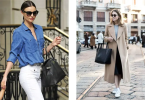
Fashion is more than just clothing; it is a way of expressing personality, confidence, and lifestyle. A well-planned Fashion Guide helps individuals understand how to dress appropriately for different occasions, seasons, and personal preferences. In today’s fast-changing world, fashion trends evolve quickly, making it important for everyone to stay updated and develop their own unique style.
For beginners, fashion can feel overwhelming due to the variety of choices available in clothing, colors, fabrics, and accessories. However, with the right Fashion Guide, anyone can learn how to build a stylish wardrobe without spending excessively or following every trend blindly. Instead, the focus should be on balance, comfort, and individuality.
For intermediate learners, fashion becomes more about refinement. It includes understanding body shape, color coordination, layering techniques, and selecting outfits that enhance personality. A strong Fashion Guide also helps in avoiding common mistakes and building a long-term style identity rather than short-term trends.
What is Fashion Guide?
A Fashion Guide is a structured approach to understanding clothing, styling, and personal appearance. It provides practical advice on how to choose outfits, match colors, and create visually appealing looks based on different occasions and individual preferences.
A Fashion Guide is not just about wearing expensive clothes or following celebrities. Instead, it focuses on smart styling decisions that help individuals look their best within their budget and comfort level. It includes everything from basic wardrobe essentials to advanced styling techniques.
The purpose of a Fashion Guide is to simplify fashion choices. Many people struggle with what to wear daily, especially when they have limited time. A proper guide helps reduce confusion by offering clear direction on outfit planning, seasonal dressing, and accessorizing.
In simple terms, a Fashion Guide is a personal roadmap to developing a stylish and confident appearance. It teaches how to combine creativity with practicality to achieve a balanced and attractive look.
Why is Fashion Guide Important?
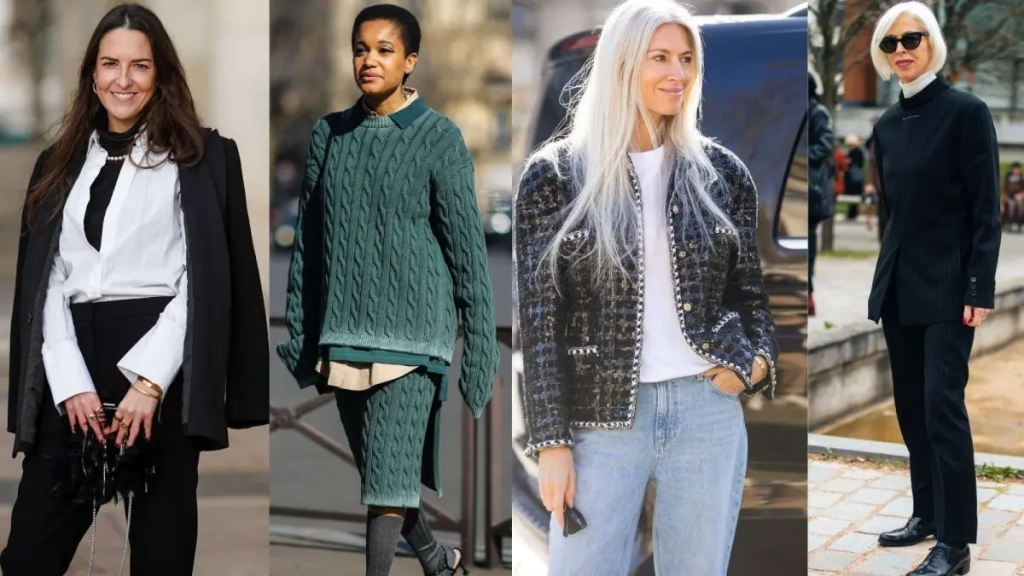
A Fashion Guide plays a crucial role in shaping personal appearance and confidence. First impressions matter in both personal and professional life, and clothing is often the first thing people notice.
One of the main reasons a Fashion Guide is important is that it helps individuals save time and money. Instead of buying random clothes, people learn to invest in versatile pieces that can be styled in multiple ways. This reduces unnecessary spending and creates a more organized wardrobe.
Another important aspect is confidence. When people feel good about their appearance, they naturally behave more confidently. A well-structured Fashion Guide helps individuals understand what suits them best, improving self-esteem.
It is also important because fashion trends change rapidly. Without guidance, it becomes easy to feel lost or outdated. A Fashion Guide helps people adapt trends in a practical way rather than blindly following them.
Lastly, fashion is a form of communication. The way a person dresses can express professionalism, creativity, or personality. A Fashion Guide ensures that this communication is clear and intentional.
Detailed Step-by-Step Guide
Step 1: Understand Your Body Type
The first step in any Fashion Guide is understanding your body shape. Whether you have an athletic, slim, curvy, or broad body type, each shape has specific clothing styles that enhance appearance.
For example, fitted clothing works well for slim body types, while structured outfits help balance broader frames.
Step 2: Build a Basic Wardrobe
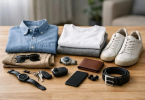
A strong Fashion Guide always emphasizes wardrobe basics. These include plain t-shirts, jeans, neutral shirts, formal wear, and comfortable shoes.
These essentials form the foundation of your style and can be mixed and matched easily.
Step 3: Learn Color Coordination
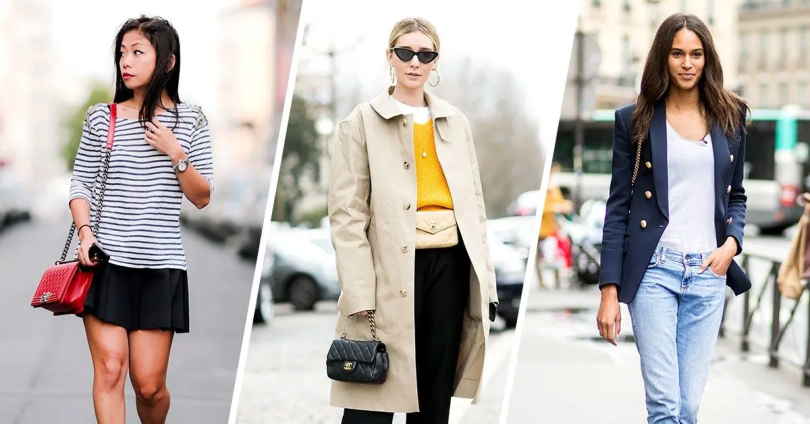
Color plays a major role in fashion. A good Fashion Guide teaches how to combine colors effectively. Neutral colors like black, white, and beige are versatile, while bold colors add personality.
Understanding contrast and complementary colors improves overall outfit appeal.
Step 4: Focus on Fit and Comfort
No matter how expensive clothing is, poor fit ruins the look. A Fashion Guide highlights the importance of wearing clothes that fit properly and feel comfortable.
Tailoring can also improve the appearance of regular outfits.
Step 5: Master Layering Techniques
Layering adds depth to outfits. Jackets, shirts, scarves, and sweaters can be combined to create stylish looks. A Fashion Guide suggests using layers according to weather and occasion.
Step 6: Choose Accessories Wisely
Accessories such as watches, belts, and bags complete an outfit. A balanced Fashion Guide ensures accessories enhance the look without overwhelming it.
Step 7: Follow Trends Smartly
Trends should be adapted, not blindly followed. A Fashion Guide helps in selecting trends that suit personal style rather than copying everything seen online.
Benefits of Fashion Guide
- Helps improve personal confidence and self-image
- Saves time in choosing daily outfits
- Reduces unnecessary clothing expenses
- Enhances professional and personal appearance
- Builds a strong personal style identity
- Helps in understanding fashion trends better
- Improves wardrobe organization and planning
- Encourages creativity in styling outfits
Disadvantages / Risks
- Following trends too strictly can reduce individuality
- Overthinking outfits may cause stress
- Expensive fashion choices can lead to overspending
- Misunderstanding body type can result in poor outfit selection
- Relying too much on fashion rules may limit creativity
Common Mistakes to Avoid
One common mistake is buying clothes without planning. Many people purchase items that do not match their existing wardrobe, leading to waste.
Another mistake is ignoring comfort. Fashion should never compromise physical comfort, as uncomfortable clothing reduces confidence.
Over-accessorizing is also a frequent issue. Too many accessories can make an outfit look cluttered rather than stylish.
Ignoring personal style and blindly following influencers is another mistake. A Fashion Guide encourages individuality, not imitation.
Lastly, neglecting wardrobe maintenance can ruin even the best outfits. Clean, well-maintained clothes always look more attractive.
FAQs
1. What is the main purpose of a Fashion Guide?
The main purpose of a Fashion Guide is to help individuals understand how to dress well, improve personal style, and make confident fashion choices in daily life.
2. Can beginners follow a Fashion Guide easily?
Yes, beginners can easily follow a Fashion Guide because it starts with basic concepts like wardrobe essentials, color coordination, and simple styling tips.
3. Do I need expensive clothes to follow fashion tips?
No, fashion is not about expensive clothing. A Fashion Guide focuses on smart styling and using affordable items effectively.
4. How do I find my personal style?
You can find your personal style by experimenting with different outfits, understanding your body type, and identifying what makes you feel confident.
5. Are fashion trends important?
Fashion trends are helpful for inspiration, but they should not completely define your style. A Fashion Guide helps balance trends with personal preference.
6. How many clothes should I have in my wardrobe?
There is no fixed number, but a good wardrobe includes essential and versatile pieces that can be mixed and matched easily.
Expert Tips & Bonus Points
Experts suggest focusing on simplicity rather than complexity. A clean and well-fitted outfit always looks more stylish than an overly complicated one.
Another tip is to invest in quality over quantity. A Fashion Guide emphasizes buying fewer but better-quality clothes that last longer.
Confidence is also a key factor. Even the best outfit looks incomplete without confidence. Stand straight, maintain posture, and wear your outfit with pride.
It is also recommended to plan outfits in advance, especially for important events. This reduces last-minute confusion and improves presentation.
Finally, always keep your wardrobe updated but not overloaded. Regularly remove unused clothes and replace them with essentials that match your current style.
Conclusion
Fashion is an evolving journey that reflects personality, lifestyle, and confidence. A well-structured Fashion Guide helps individuals navigate this journey with clarity and purpose. It simplifies the process of choosing outfits, understanding trends, and building a personal style that feels natural and comfortable.
For beginners, fashion starts with learning the basics such as wardrobe essentials, color coordination, and proper fitting. As individuals gain experience, they begin to explore advanced styling techniques like layering, accessorizing, and trend adaptation.
Ultimately, fashion should make you feel confident and comfortable in your own skin. When used correctly, a Fashion Guide becomes a powerful tool for self-expression and personal growth. Whether you are dressing for work, casual outings, or special occasions, the right approach to fashion ensures you always look your best while staying true to yourself.